
I have always seen aging as something that sort of happens and not something that we as people have control over it. More so I think we view aging in light of how well can one operate physically as well as mentally, but what if aging is more about how we view the process and how we let it affect us? Recently I have observed in my family how different people have changed with time, and how has aging affected people according to their attitude towards the concept. This is what led me to analyze my understanding of aging, living life, and how they are woven together.
Generally, aging is seen as something that needs to be prevented. In media often aging has a negative undertone, be it while promoting cosmetics or insurance, it is seen as something that is going to leave an individual helpless or something that is not curable once it happens. Hence steps need to be taken to prevent oneself from falling into this so-called depreciating condition. Then some cultures believe aging brings a new perspective, the one that is more about giving back than it is about seeking things. The belief that aging can be something positive if cognitive and physical well-being is maintained is quite prevalent across many parts of the world.
When we talk about it in economics, an aging population is generally seen as a cost for the economy, as the workforce reduces, and government needs to spend more on welfare programs such as pensions, healthcare aids, etc. In economics, we only consider the goods and services that can be calculated. Now knowing that the aging population would not be able to contribute to the production of the goods and services directly we often forget that they do provide value to companies by imparting their knowledge and helping companies make better decisions (this is of course before they retire, or as silent directors, etc). Another way an aging population helps economies is it opens up a new segment of consumers, hence a field for innovations and potential demand for new products. Further, a happy older generation where aging is not seen as a burden but rather where elders are revered for their maturity and wisdom can help to make the next generation better. Hence, the older generation adds value to the economy indirectly, in terms of well-being.
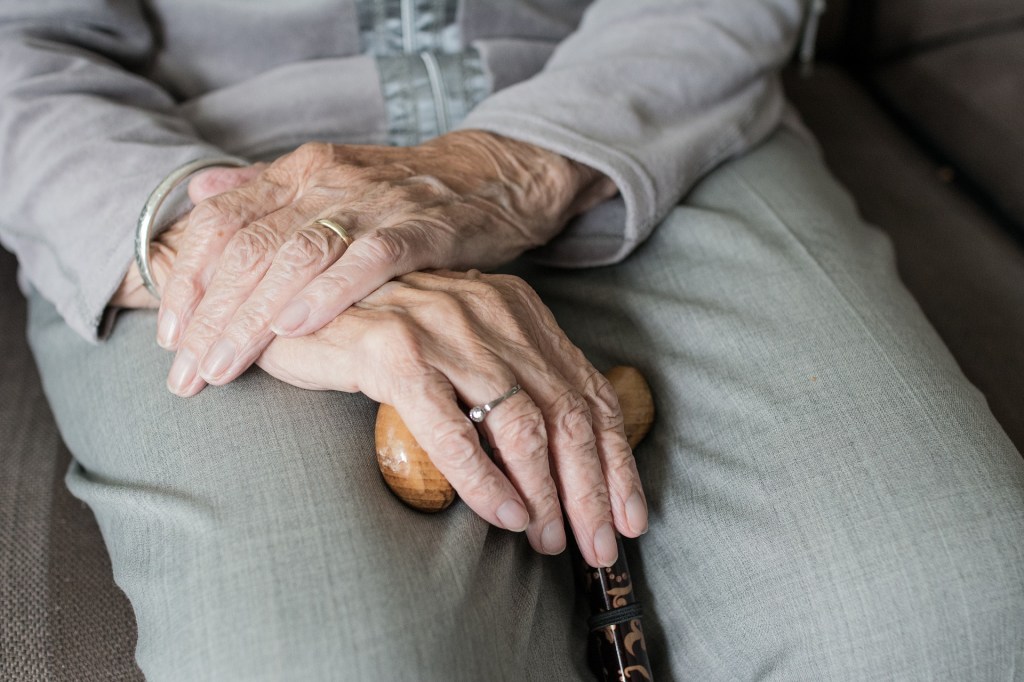
The whole discussion of aging and how youth is better has sprung up as the life-expectancy has increased dramatically in the last century. As per Laura Carstensen, professor of Psychology at Stanford University and Director of the Life-Span Development Laboratory, aging is seen as a decline in health, but this could simply be a self-fulfilling prophecy. This belief she says “has been a barrier to much research in the scientific community that could make the aging process less detrimental to our health.”
The famous phrase “you are only as old as you feel” might have deeper truth hidden in it than simply being a phrase used to motivate people. How one perceives aging has a lot to do with how one ages i.e if they lead their life in disease and sorrow or enjoying it and finding joy. The perception is also greatly influenced by how they view their usefulness in society as well as what they think about their life purpose.
As per my observation when people think they have a responsibility to share their life experiences and learnings to next generation or if they think that they have to contribute to the family by imparting knowledge about moral and ethical values, or simply if they think that they have to keep working for their loved ones or for themselves either financially, for providing emotional support, or just to live a life they would remember at the end of their days, they age way better than the ones who think that their aging translates into people not wanting them to be around, or they cannot enjoy their life simply because of certain physical changes or needs of the body or having to take external help for certain tasks.
This brings me to the paradox of wanting a long life and yet always staying young. We all have started to believe that this is something that can be or should be achieved because we see aging as something that is going to take away what youth gives us. Rather aging needs to be viewed as Jan Baars puts it in the Book Aging and Art of Living “In place of the illusion that we can be “successful” in controlling life, we need to accept vulnerability and live authentic lives.”
Aging and Living are the same thing, one is viewed in face of moving time, and the other in relation to the act of simply being, when the ticking of the clock and negative connotation is removed.
When we start viewing the process of aging as a process of changing with time and gaining new powers in exchange for letting go of older ones for example in exchange for socializing at parties we gain a set of trustworthy friends who will hold our hands till the end of time and not only till the midnight, it brings a major shift in how we perceive the cycle of life and how we see people who are changing as they reach their 50s or 60s.
Living a life that brings joy no matter in what phase of life you are in and freeing ourselves from social conditioning about the detriments of growing older is the only way to age better and live better.
 Sugar Words
Leave a comment